
Opening up the understory
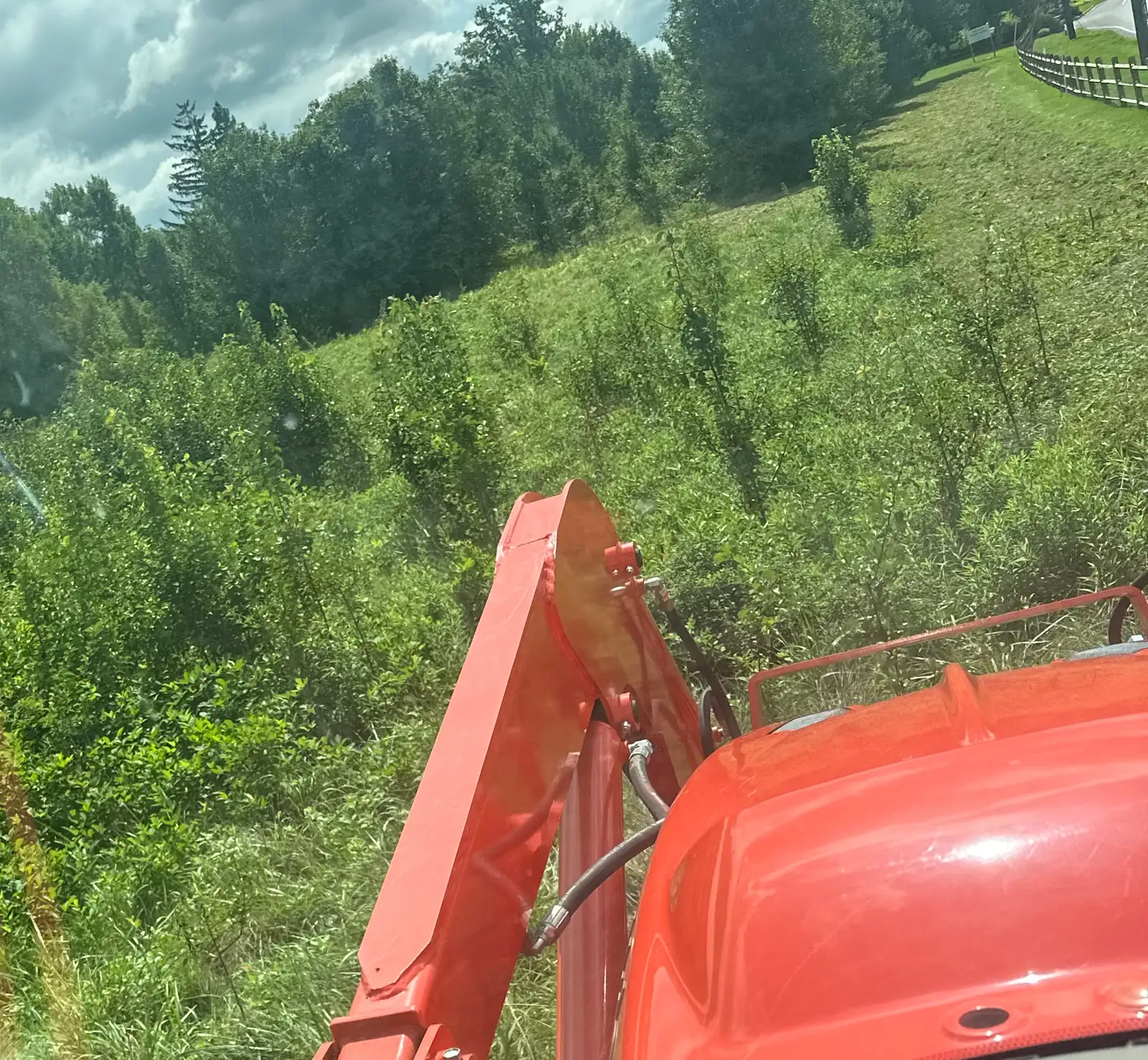
Along woods lines and in wooded areas, the problem usually isn't the canopy, it's what's growing underneath. Thick underbrush, briars, vines and invasive shrubs choke out access, block sightlines and creep into fields and yards. Underbrush clearing removes that low growth while leaving the larger trees in place, so a woodland edge or wooded parcel becomes open, walkable and usable again.
What we clear
- Underbrush and briars beneath wooded areas and along woods lines.
- Vines such as greenbrier and other climbing growth at ground level.
- Invasive shrubs including multiflora rose, autumn olive and bush honeysuckle, common across Maryland.
- Overgrown field edges that have crept into pasture or hay ground.
- Easements and access corridors that have grown closed.
Selective by design
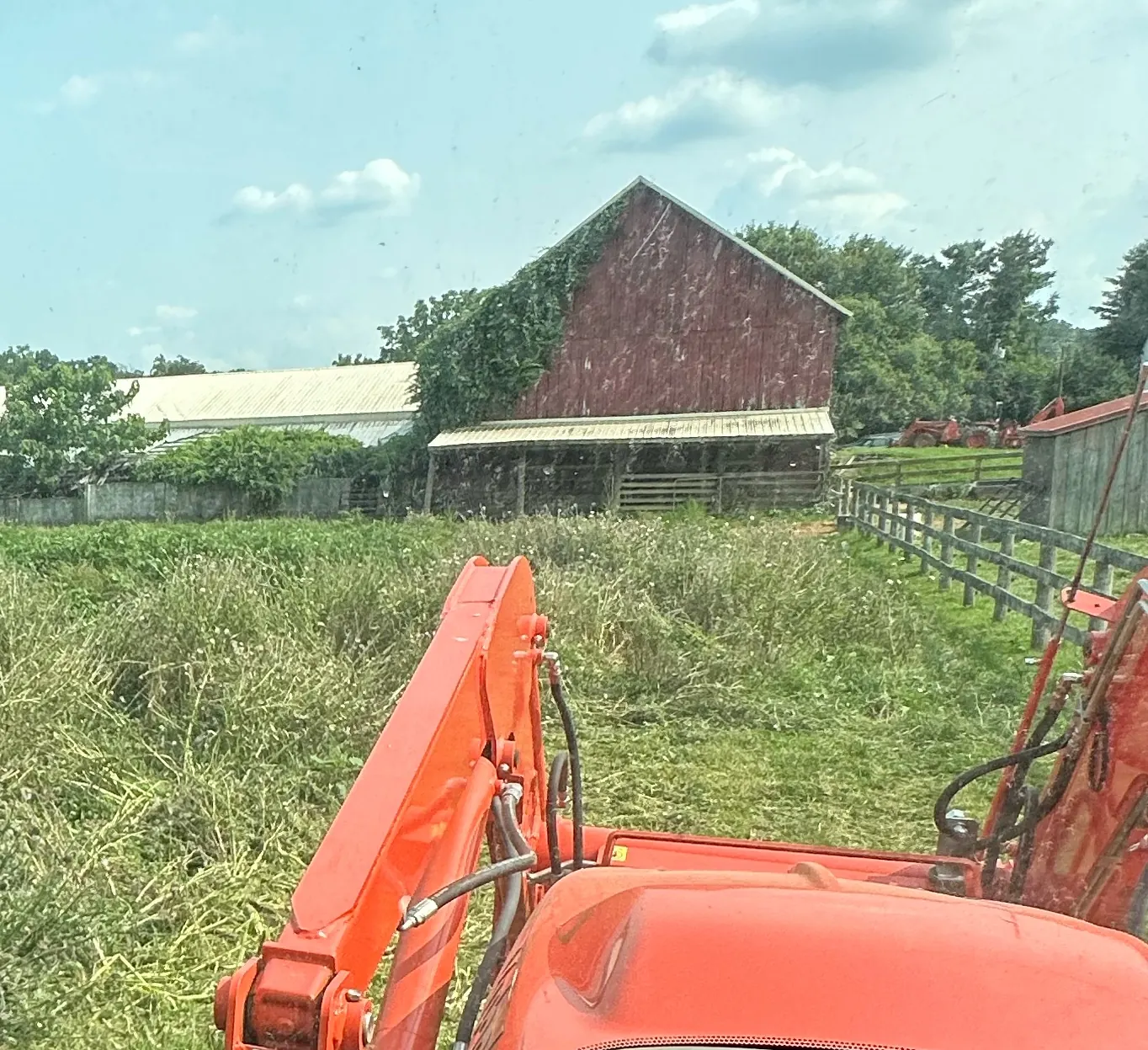
Underbrush clearing is about what stays as much as what goes. Before we start, we walk the area with you or work from your markings to agree on what's being cleared and what's being saved. Most of this work is done with forestry mulching equipment, which grinds the growth in place and leaves a mulch layer behind instead of brush piles. Lighter growth on open ground may only need brush hogging.
Who it's for
Farms use underbrush clearing to reclaim field edges and keep fence rows open. Landowners use it to make wooded acreage walkable and to open views. Property managers and HOAs use it to clean up common-area woods edges and easements. Investors use it to show off a wooded parcel before it goes on the market.
Keeping it open
Once cleared, underbrush grows back over time. A follow-up pass every so often, or regular mowing along the cleared edge, keeps it from closing in again. Pair this work with fence-line and right-of-way clearing for a complete edge cleanup. Send us the location, the area and photos, and we'll send a written quote.